Eng
Eng  Монгол
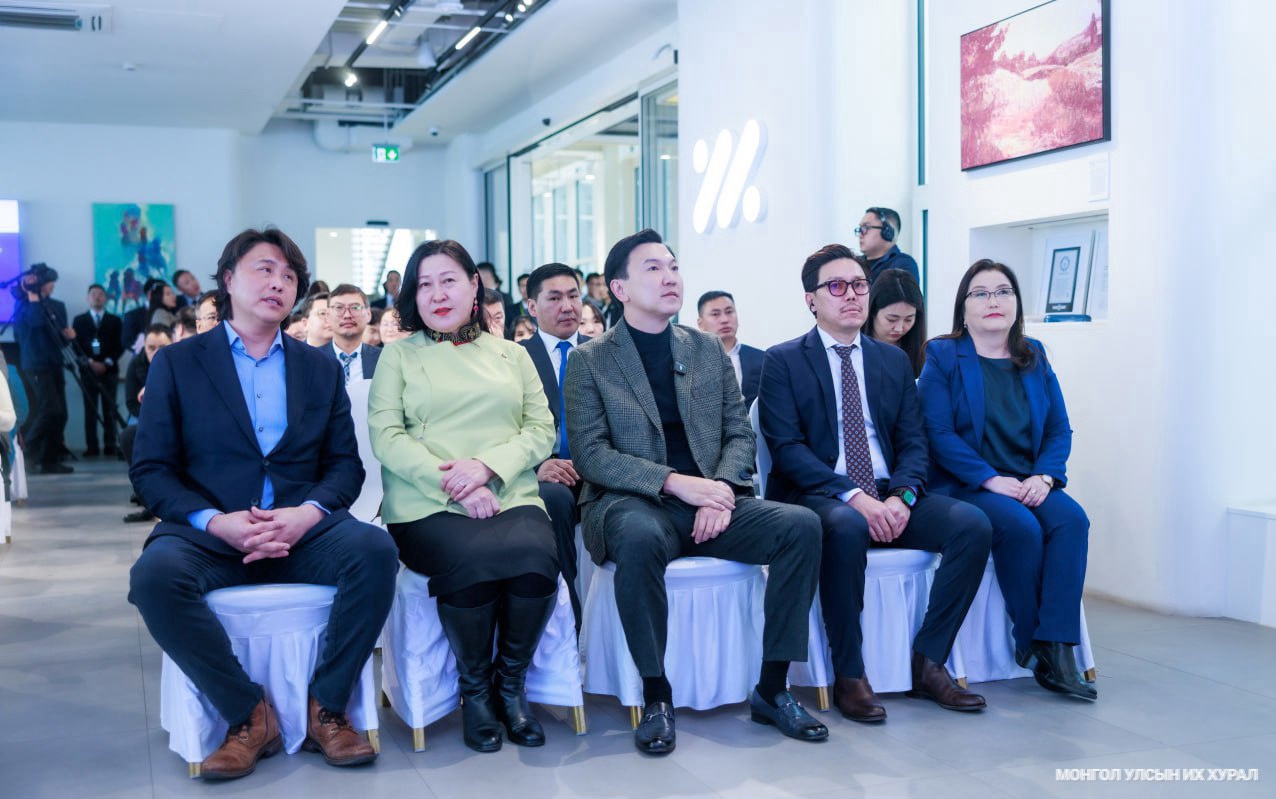
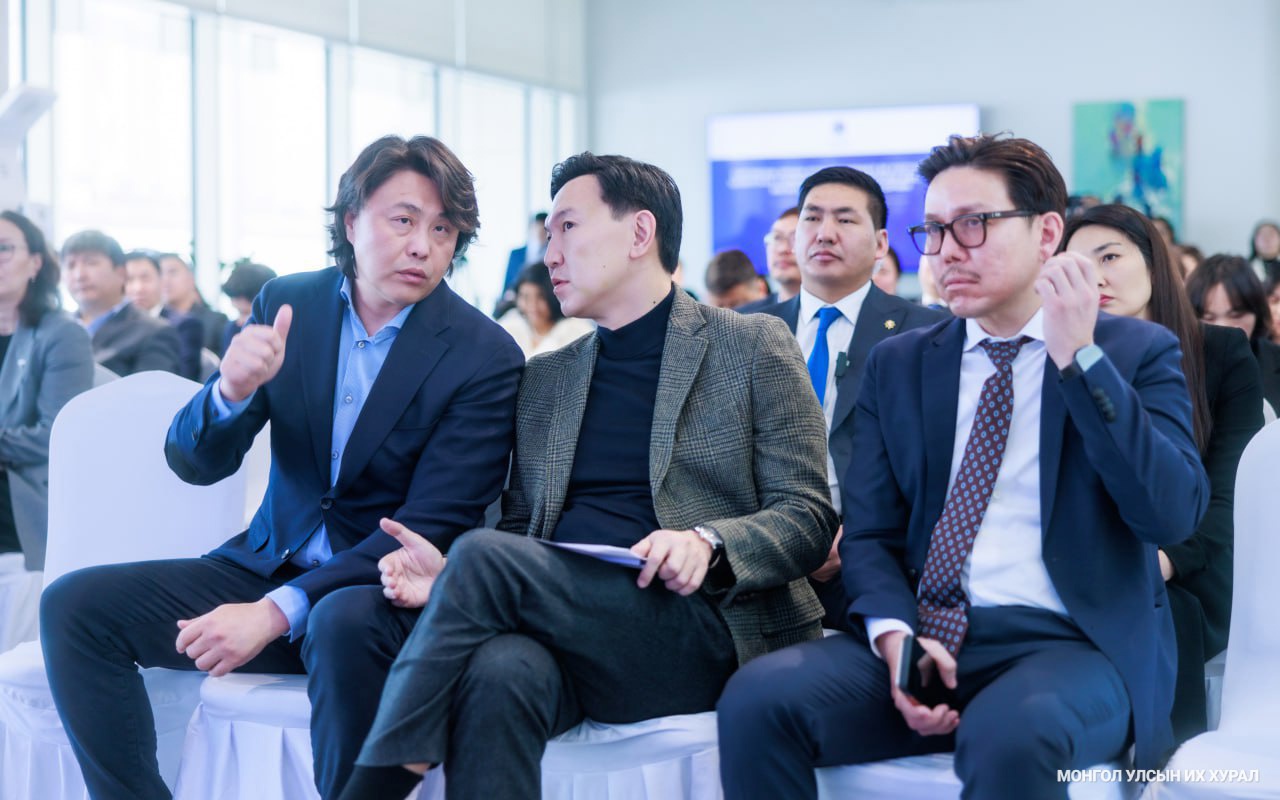
Chairman of the State Great Hural of Mongolia N.Uchral, together with Members of Parliament A.Undraa, Ch.Anar, and M.Enkhtsetseg, participated today (2026.01.15) in a meeting and discussion on the legal and regulatory environment for developing electric vehicles powered by distributed renewable energy sources and their charging infrastructure. The event aimed to exchange views on legal frameworks supporting cooperation and investment among the public sector, private sector, and international organizations, and was attended by representatives of more than 80 governmental, non-governmental, and international organizations.
As a country vulnerable to climate change, Mongolia has set strategic goals to intensify its green development policy and reduce greenhouse gas emissions. In order to realistically achieve these and similar objectives, electric vehicle charging infrastructure is a fundamental prerequisite, close coordination of cooperation and investment among the government, private sector, and international organizations is essential. In line with the Five-Year Basic Development Directions of Mongolia for 2026–2030, the “Mongolia Investment Program for 2026–2030,” and the Government’s Action Program for 2024–2028, the State Great Hural adopted a resolution on December 26, 2025, instructing the Government to gradually implement policy objectives aimed at ensuring sustainable economic growth and energy security, guaranteeing citizens’ right to live in a healthy and safe environment, and establishing a new, people-centered, low-carbon development model.
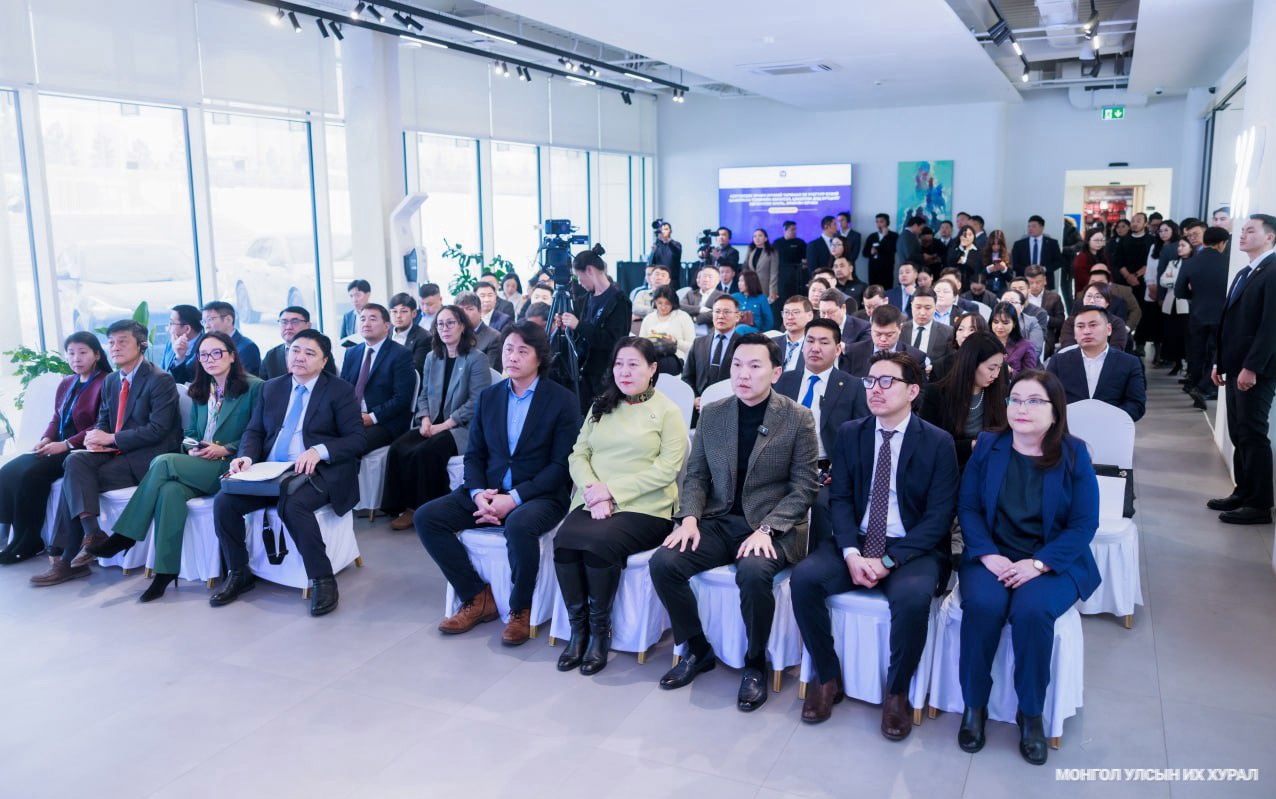
The resolution includes provisions to implement an initiative to build charging infrastructure for 100,000 electric vehicles, promote the use of electric vehicles, and develop public, fast-charging infrastructure for electric vehicles using distributed renewable energy sources. Within this framework, the current state of the legal and regulatory environment was discussed.
At the outset of his remarks, Chairman N.Uchral emphasized the importance of ensuring the implementation of the parliamentary resolution adopted to support the green economy, promote distributed renewable energy sources, and reduce dependence on imports. In accordance with the directions given to the Government, green projects and infrastructure will be supported, and by developing household- and community-level distributed energy sources, electric vehicle infrastructure will be expanded, eventually enabling Mongolia to connect with global green finance markets through phased efforts.
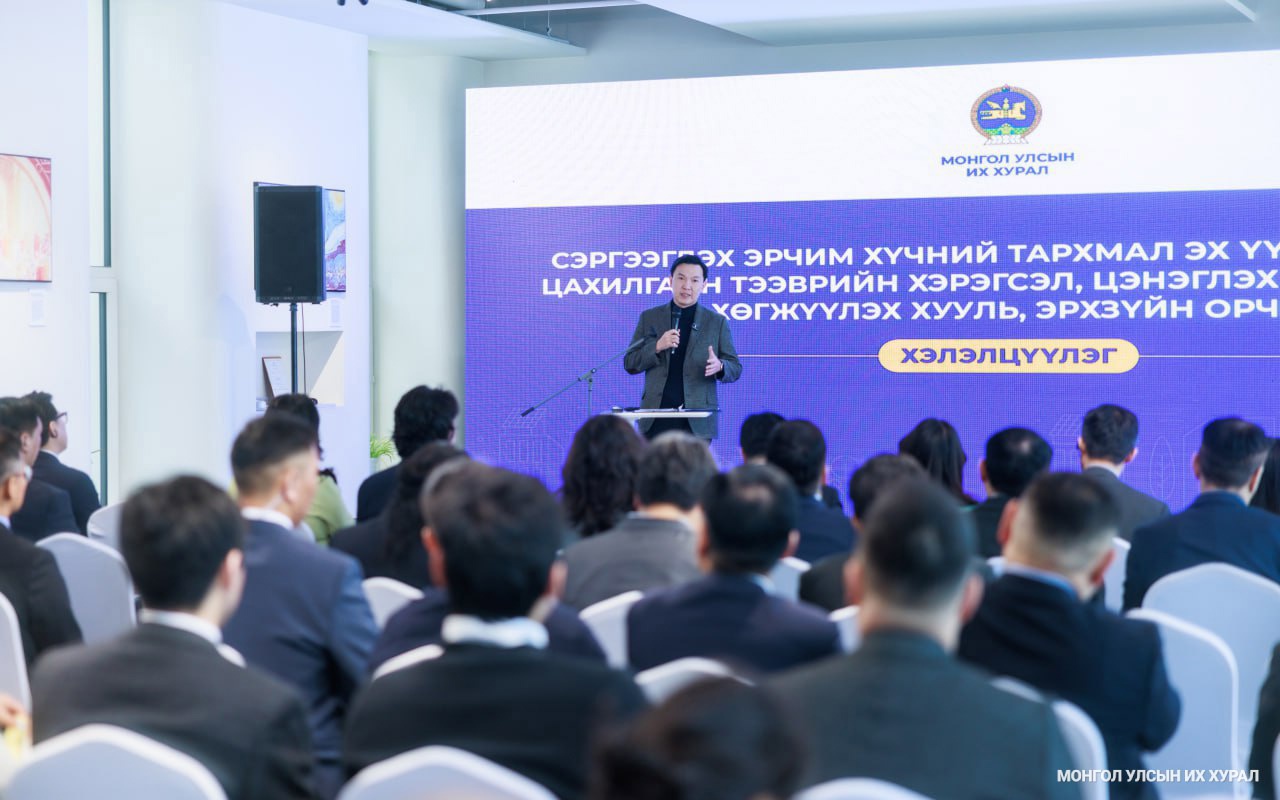
Chairman N.Uchral noted that, as the Chairman of Parliament, he has launched the “Liberate” initiative, aimed at strengthening fundamental human rights and freedoms enshrined in the Constitution of Mongolia, eliminating regulations that restrict business activities of citizens and legal entities, reducing entrenched bureaucracy in state–citizen relations, making government operations digital, transparent, and accountable, creating a human-rights-centered legal environment. Within this initiative, 12 working groups have been established. As part of the “Liberate” initiative, the multi-step permitting process for connecting household renewable energy systems has already been abolished. As the next step, Chairman N.Uchral announced that work has begun to improve the legal and regulatory framework for developing electric vehicles and their supporting infrastructure, including the discussion of relevant draft projects.
He emphasized that the main objective is to introduce practical solutions and ensure implementation by eliminating excessive rules, regulations, and permits that hinder progress.
For example, the above-mentioned parliamentary resolution includes measures to improve the reliability of household and local energy supply. A notable initiative under this framework is the designation of Chingeltei District as a special zone, where more than ten procedural steps have been eliminated, mandatory technical specifications have been abolished, and households have been given the opportunity to connect to the grid. Preparations are currently underway to discuss favorable financing conditions with banks. In addition, research is being conducted on opportunities in the carbon market, and it is expected that connecting systems of up to 20 kW without technical conditions, using standardized designs, will significantly reduce time and costs.
Chairman N.Uchral also cited data showing that over the past 10 years, the share of international green financing in total global financing has increased 40-fold, and the total volume has grown 100-fold, with an average annual growth rate projected at 21 percent going forward. Given these trends, he noted that Mongolia must be prepared for this transition and provided detailed information on ongoing efforts in this direction.
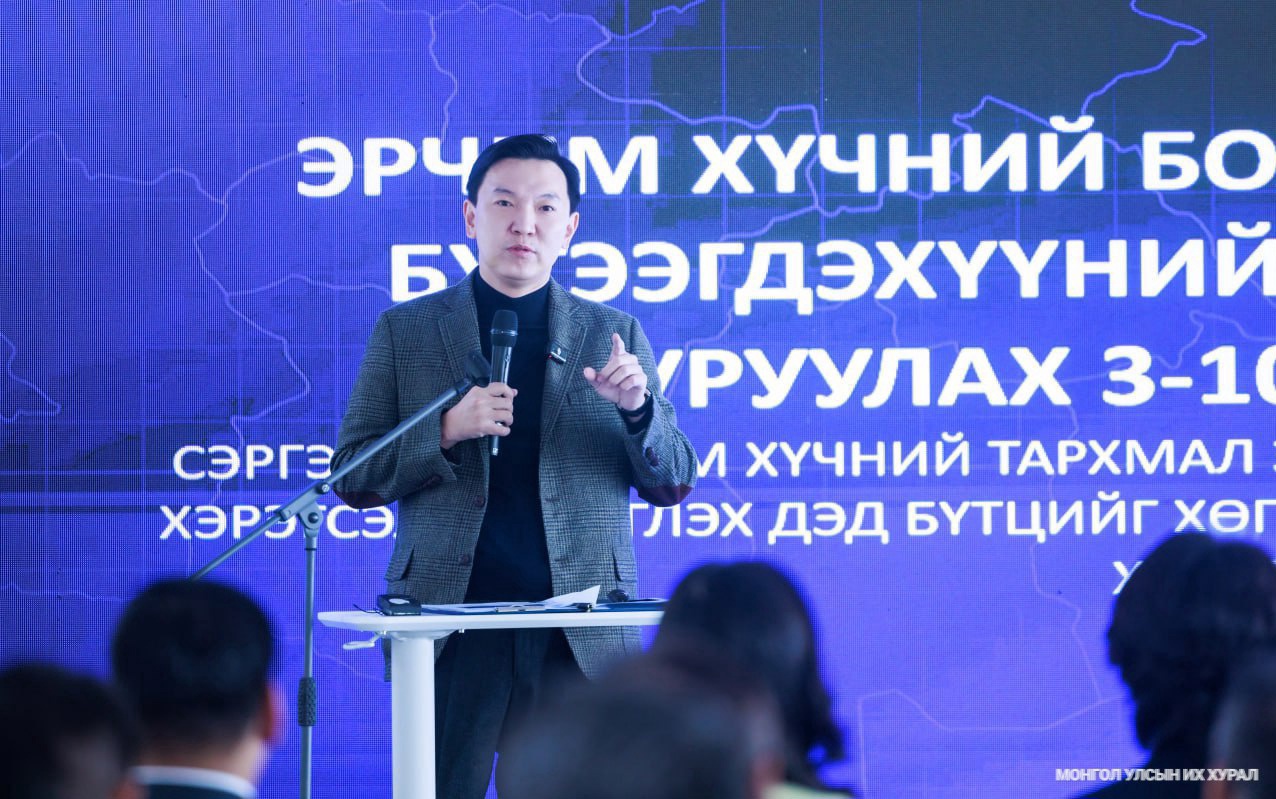
Regarding another directive given to the Government by parliamentary resolution—namely, promoting the use of electric vehicles—it is considered appropriate to first build the necessary infrastructure. In Mongolia, the number of electric vehicles increased from 769 in 2023 to more than 1,000 by 2026. To further encourage adoption, it is necessary to implement solutions such as enforcing quality and standards policies, planning new buildings with charging station requirements in mind, improving access to financing and loan terms, issuing green license plates without obstacles, and expanding the benefits associated with green plates.
In terms of financing, Chairman N.Uchral noted that, in addition to exploring domestic funding sources and making certain regulatory adjustments, there are opportunities to attract external financing through mechanisms such as the Green Climate Fund and participation by banks. The role of the state, he emphasized, is to reduce bureaucracy, streamline procedures, and provide policy guarantees, while the private sector should serve as the primary implementer. He added that the project could be implemented within the framework of public–private partnerships.
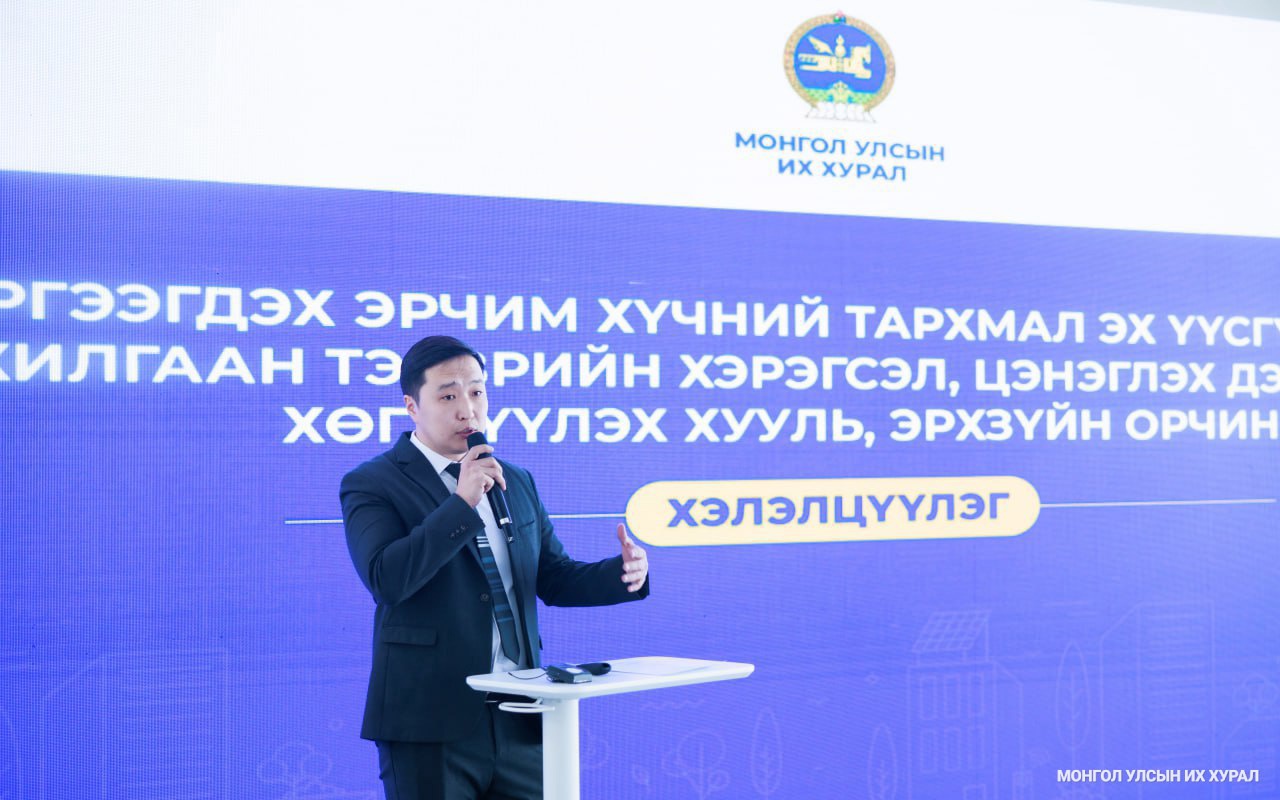
Private sector representatives participating in the discussion proposed measures such as providing corporate tax incentives for green buildings, electric vehicles and their infrastructure, renewable energy panels, inverters, and storage systems as integrated solutions, as well as offering more favorable support conditions to enterprises that attract green financing, according to information provided by the Press and Public Relations Department of the State Great Hural.