Eng
Eng  Монгол
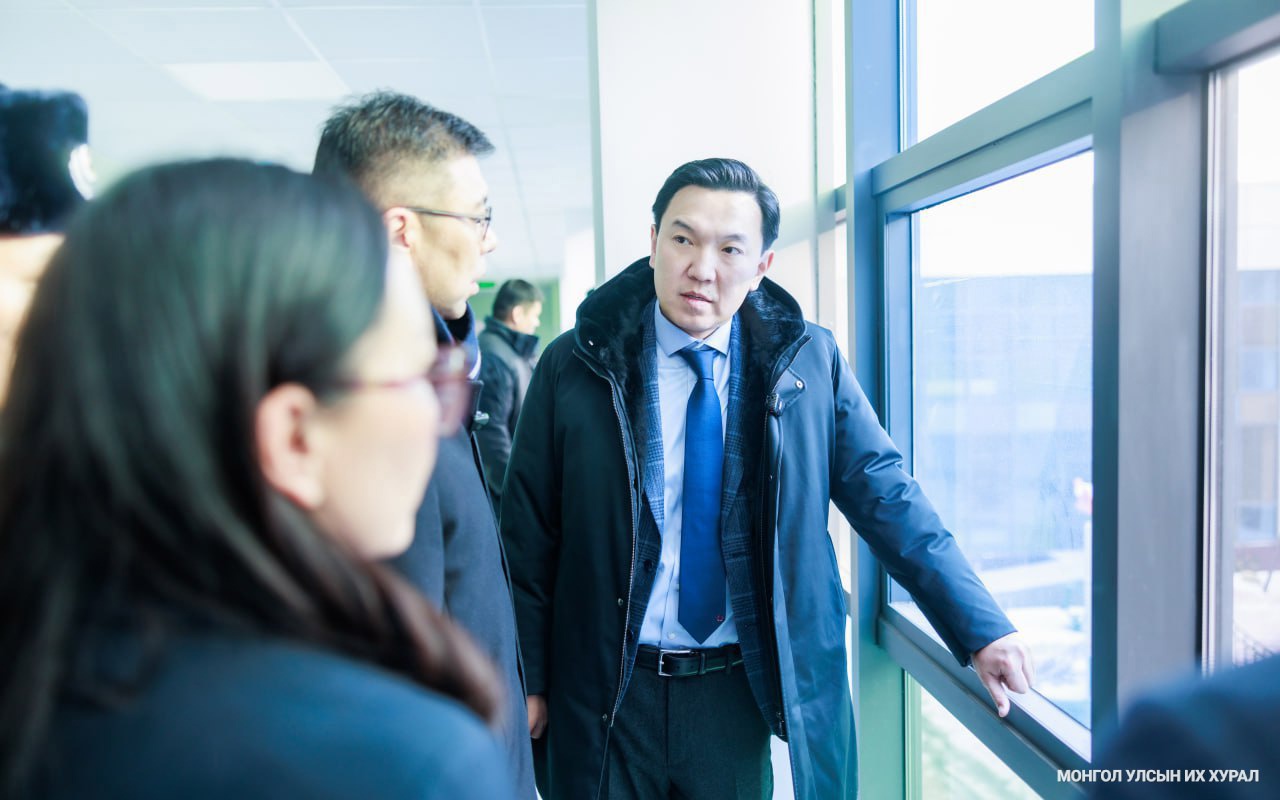
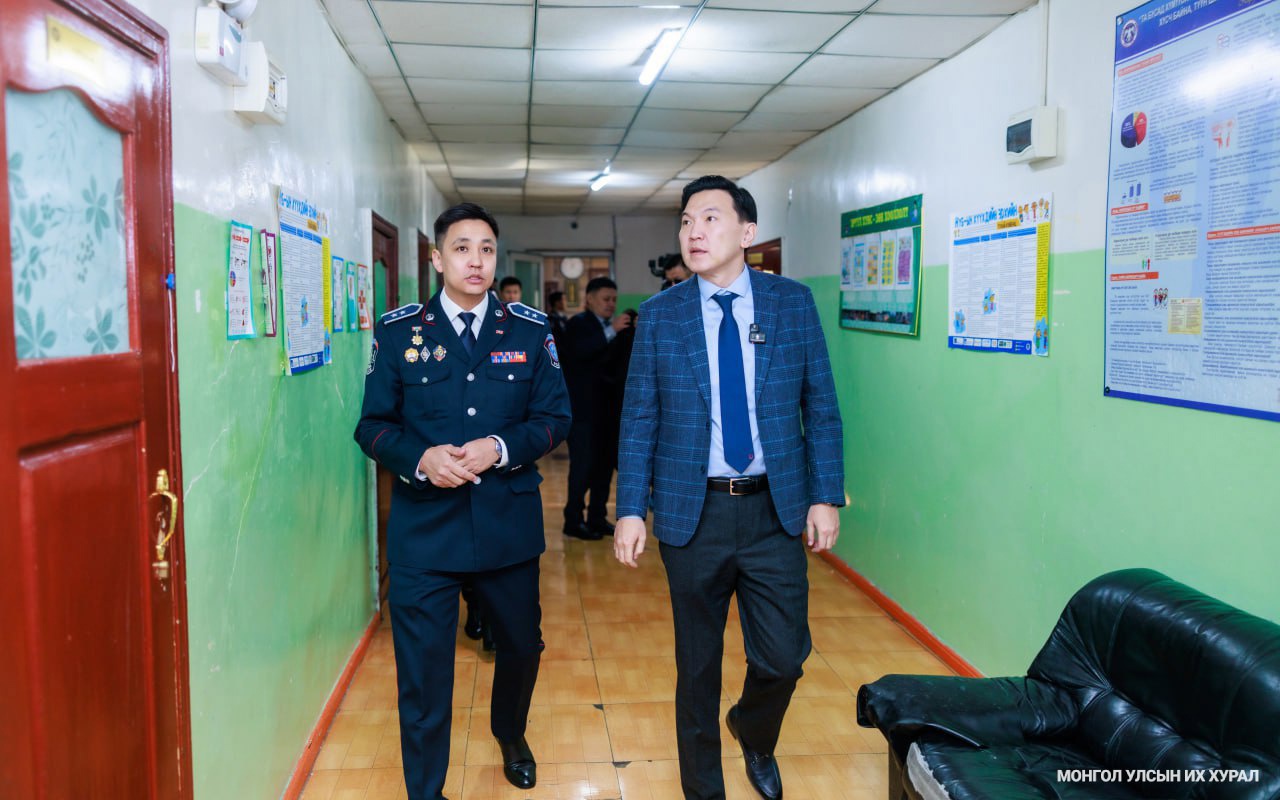
Each year on Constitution Day, the State Great Hural identifies one sector for legal reform and prioritizes strengthening the implementation of fundamental human rights and freedoms in that direction. At the initiative of the Chairman N.Uchral, this year has been declared the Year of Child Protection, emphasizing the state’s constitutional duty to safeguard the interests of families, mothers, infants, and children at all levels. As part of this initiative, on this day (2026.01.14), Chairman N.Uchral and Minister of Justice and Home Affairs B.Enkhbayar visited the Temporary Protection Shelter of the Prevention Department of the General Police Agency.
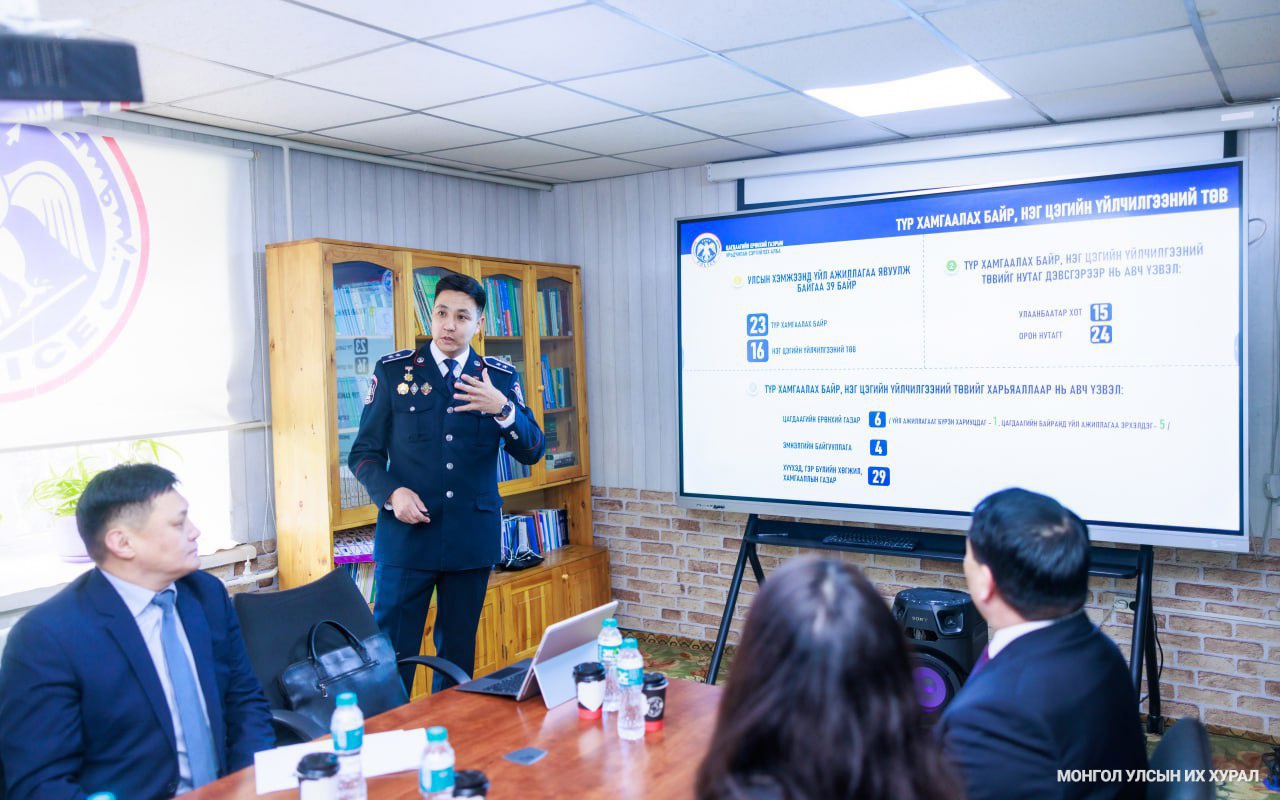
Currently, Mongolia operates 23 temporary protection shelters and 16 one‑stop service centers for witnesses and victims nationwide. Of these, 6 belong to the General Police Agency, 4 operate within healthcare institutions, and 29 are under the Child and Family Development and Protection Agency.
Lieutenant Colonel A.Amarbat, Head of the Prevention Department, briefed the functions, structure, operations, challenges, and proposals regarding the shelter.
On average, the shelter serves 299 people per year, providing seven types of services required under the Law on Combating Domestic Violence, such as legal aid, child protection services, psychological support, and medical assistance. Since 2014, the special hotline 107, dedicated to providing advice and information to victims of domestic violence, has been operating and receives an average of 9,829 calls annually.
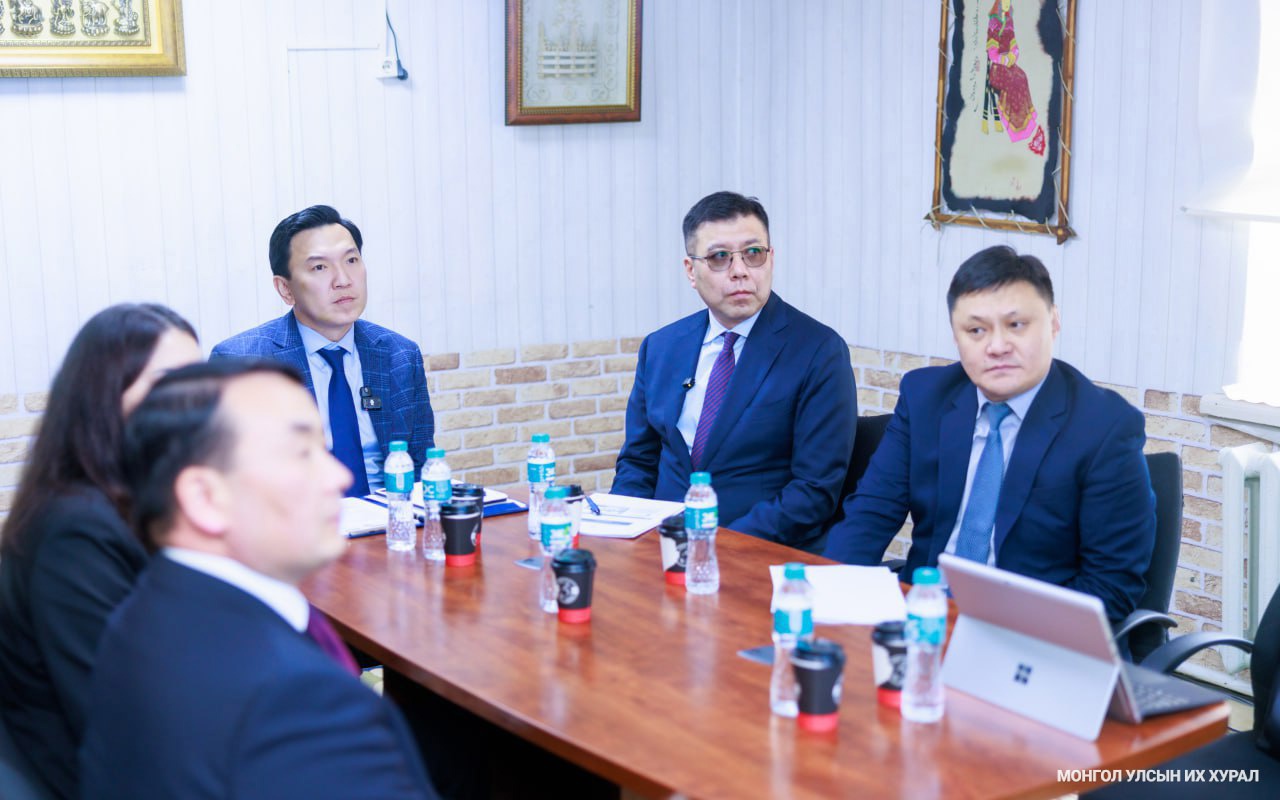
The current shelter building was originally part of the Bogd Khan Palace complex and has served as a nursery and kindergarten since 1954. Due to age, deterioration, and fire hazards, a professional assessment concluded that the building is no longer safe to use. Therefore, in 2019, with concessional loans from the Asian Development Bank and the European Investment Bank, architectural plans were developed for a new shelter modeled after Israel’s protection facility. The new facility is designed to accommodate 40 people at once on a 3,683.3 m² site. However, due to pandemic‑related delays, logistics issues, price increases, and other factors, construction has slowed, and final-stage financing has not been received.
The Chairman was informed that once the new building opens, furniture, appliances, medical equipment, and necessary tools already provided by UNFPA and stored in warehouses will be installed immediately.
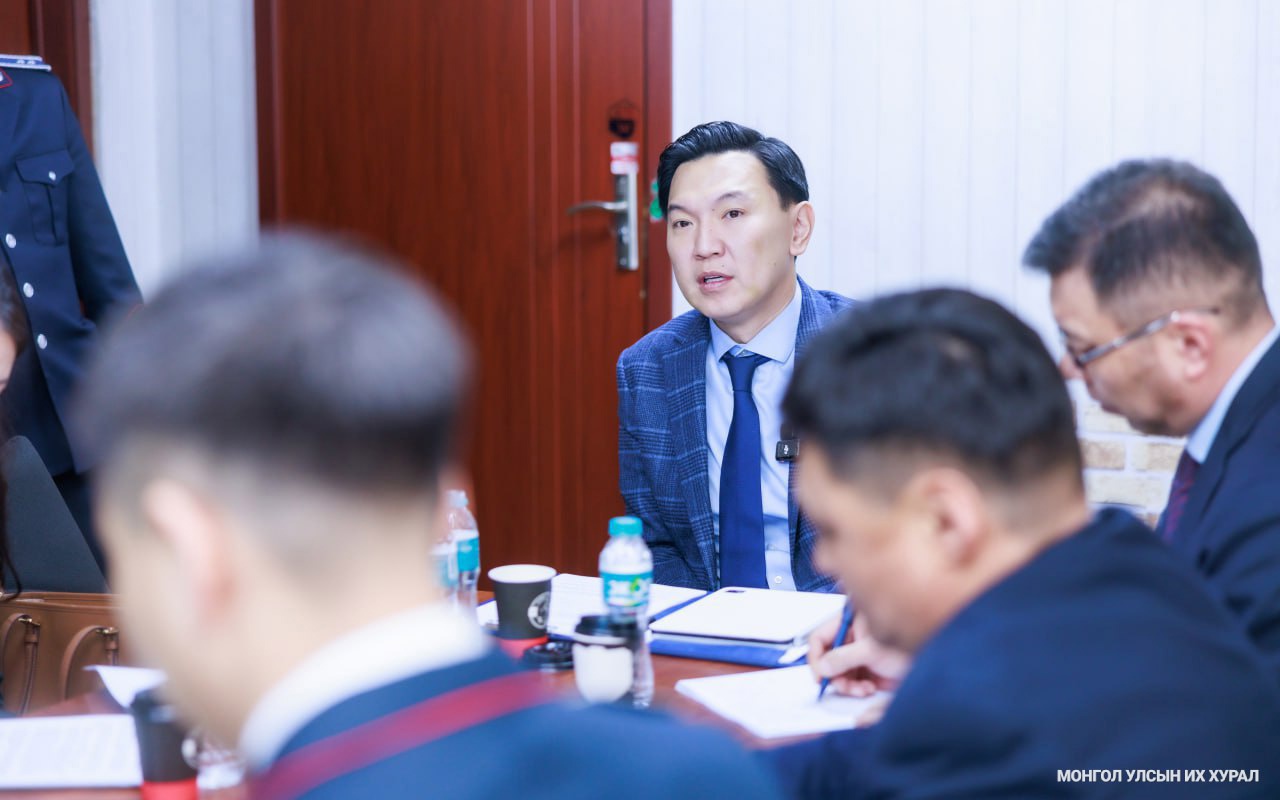
Chairman N.Uchral emphasized that temporary protection shelters must meet unified, model standards, and that their management systems must also be modernized. He noted that due to the lack of central governance and unified management, the 39 shelters operating nationwide have unclear responsibilities and inconsistent standards—an issue that must be resolved. Improving the environment and operations of shelters and one‑stop centers is essential for eliminating violations of children's rights and strengthening child protection laws.
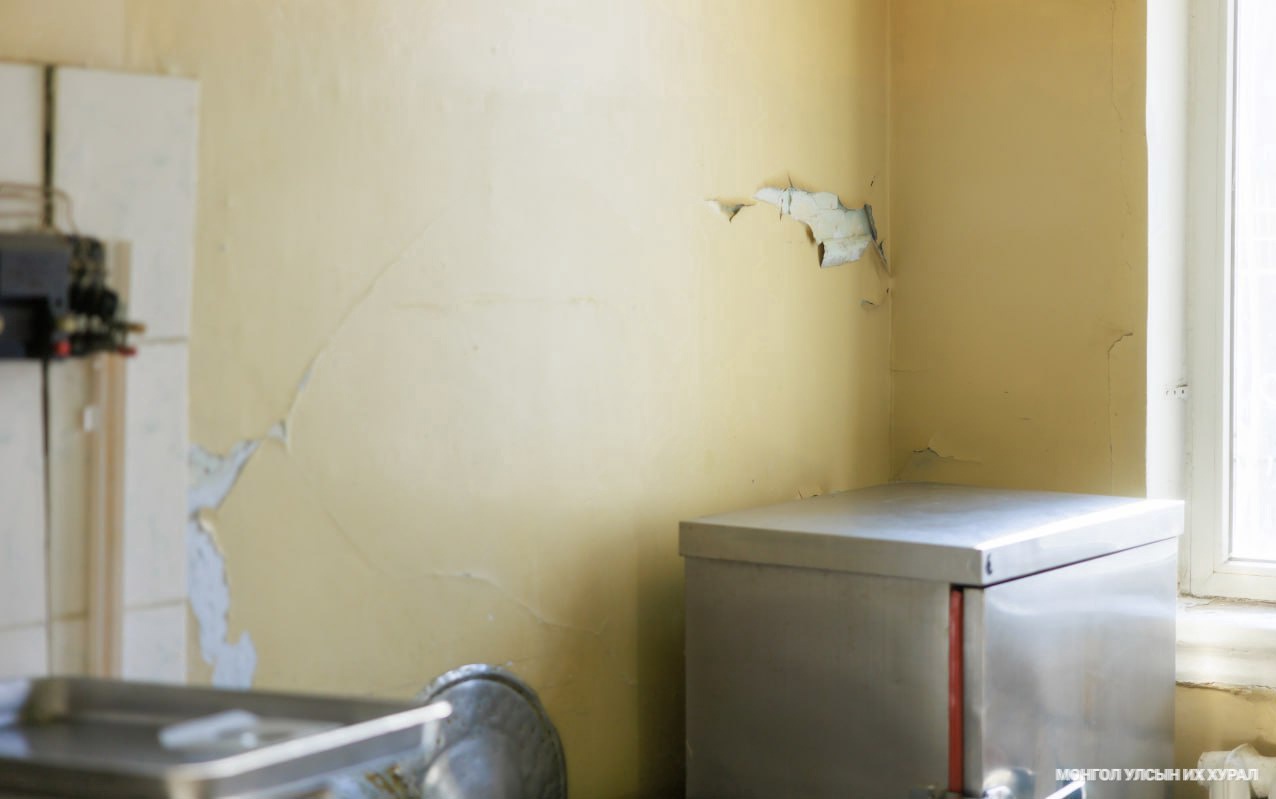
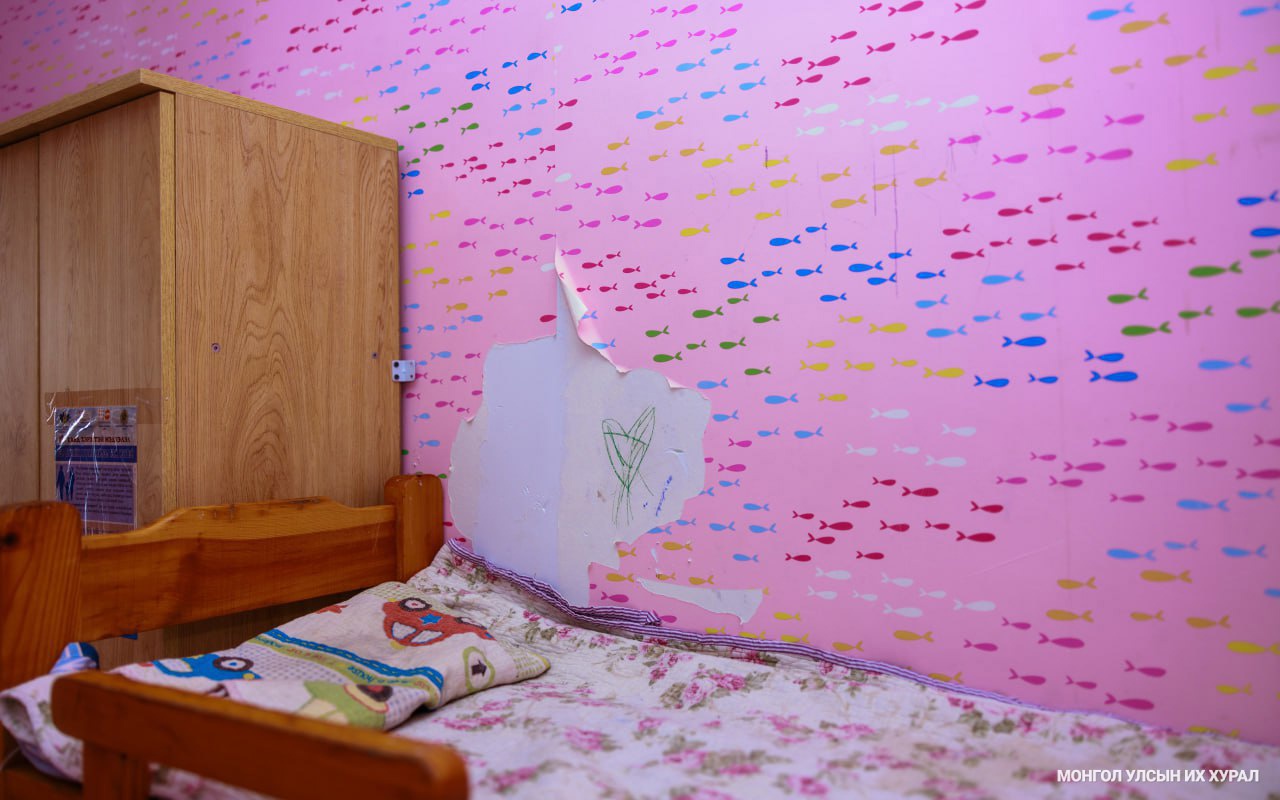
He stressed that in any sector, model conditions must be established before accountability and oversight systems can be enforced. To achieve this, budget allocations for child protection must be increased, shelters must be unified under a central management system, and service‑providing institutions must modernize their internal management structures.
The Chairman also discussed with the Minister of Digital Development and Communications the inclusion of the 107 hotline in the list of free emergency numbers.
Minister B.Enkhbayar expressed gratitude to the Chairman for personally leading and supporting systemic reforms in child protection. He also stated that the Ministry would improve regulations related to the Child Protection Law adopted in 2024 and address staffing shortages at temporary shelters.
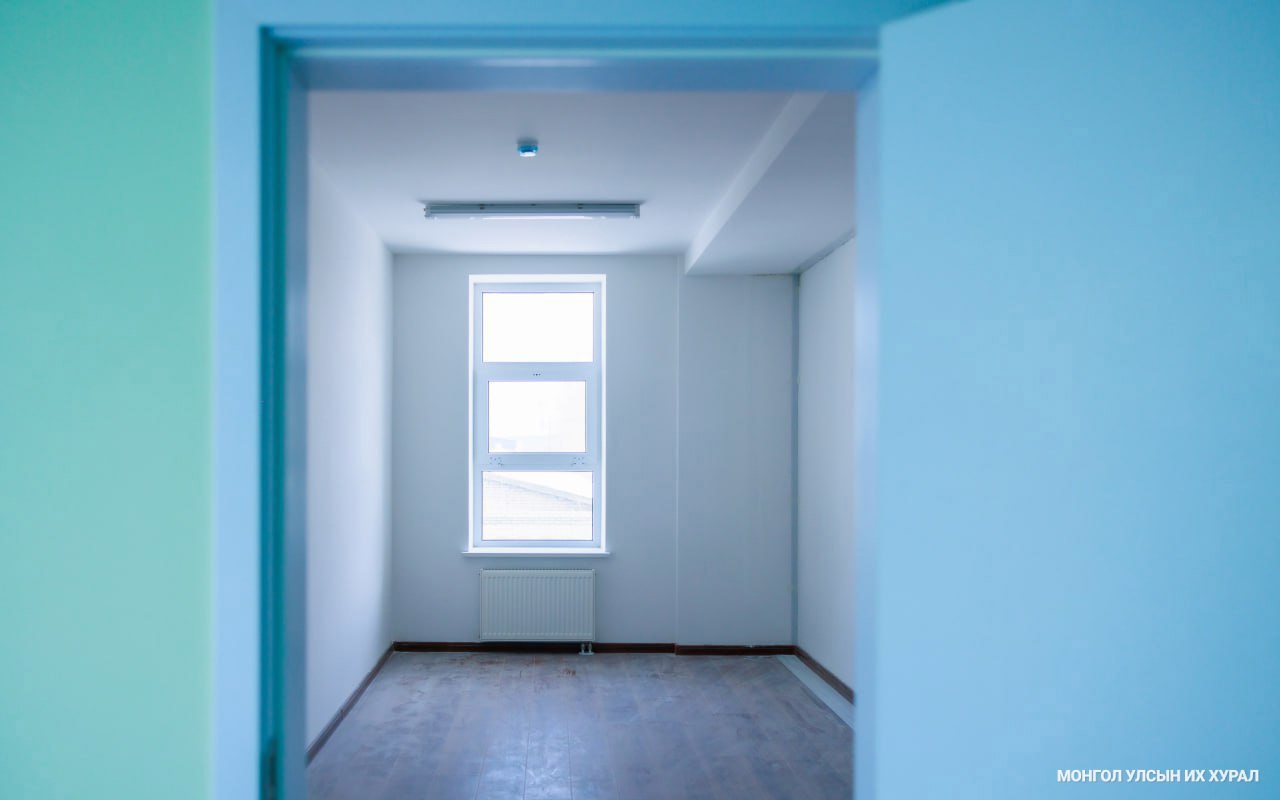
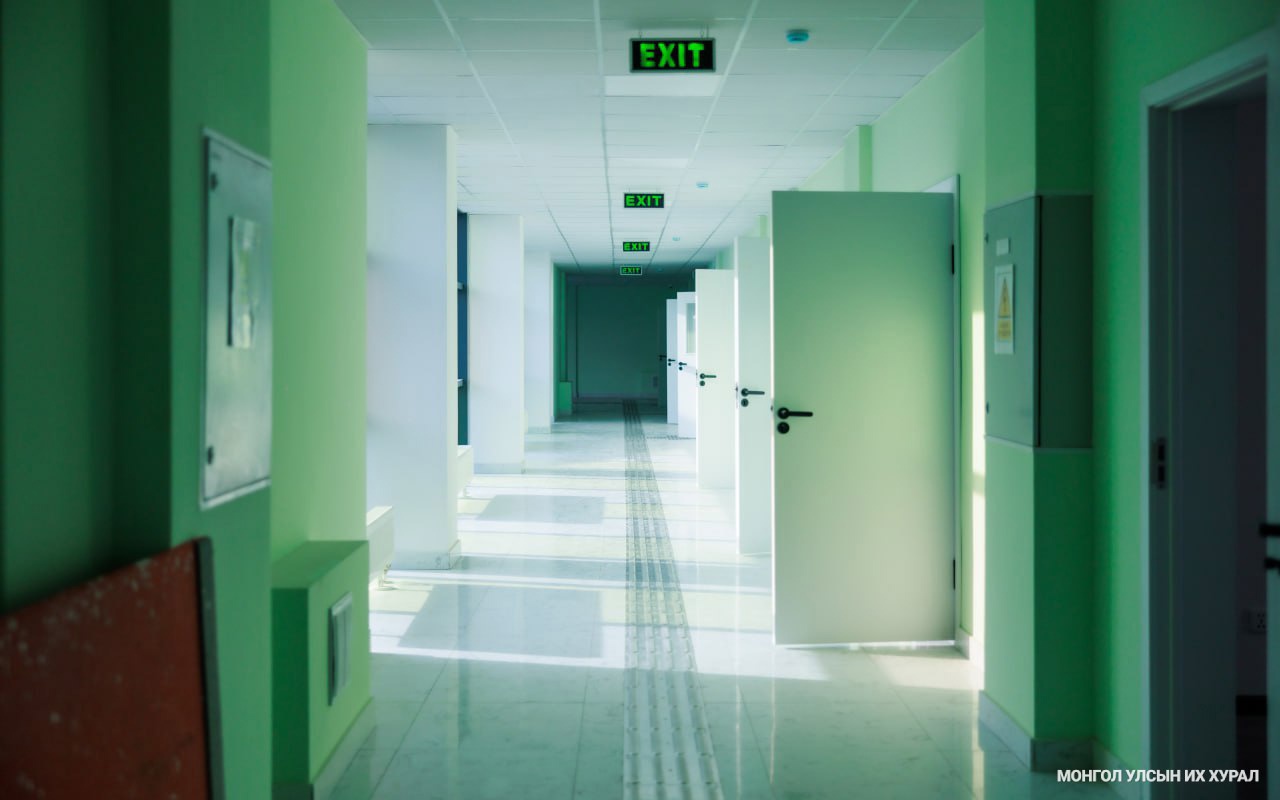
Afterward, the Chairman, the Minister of Justice, and the Deputy Minister of Finance visited the construction site of the new shelter building. The facility, which includes 61 rooms, special rooms for the elderly and persons with disabilities, and is designed as a model center for protecting victims of domestic violence, is 98% complete. However, due to bureaucratic delays and inconsistencies in regulations between agencies, the acceptance process has been postponed, and the contractor has been unable to receive the remaining payments.
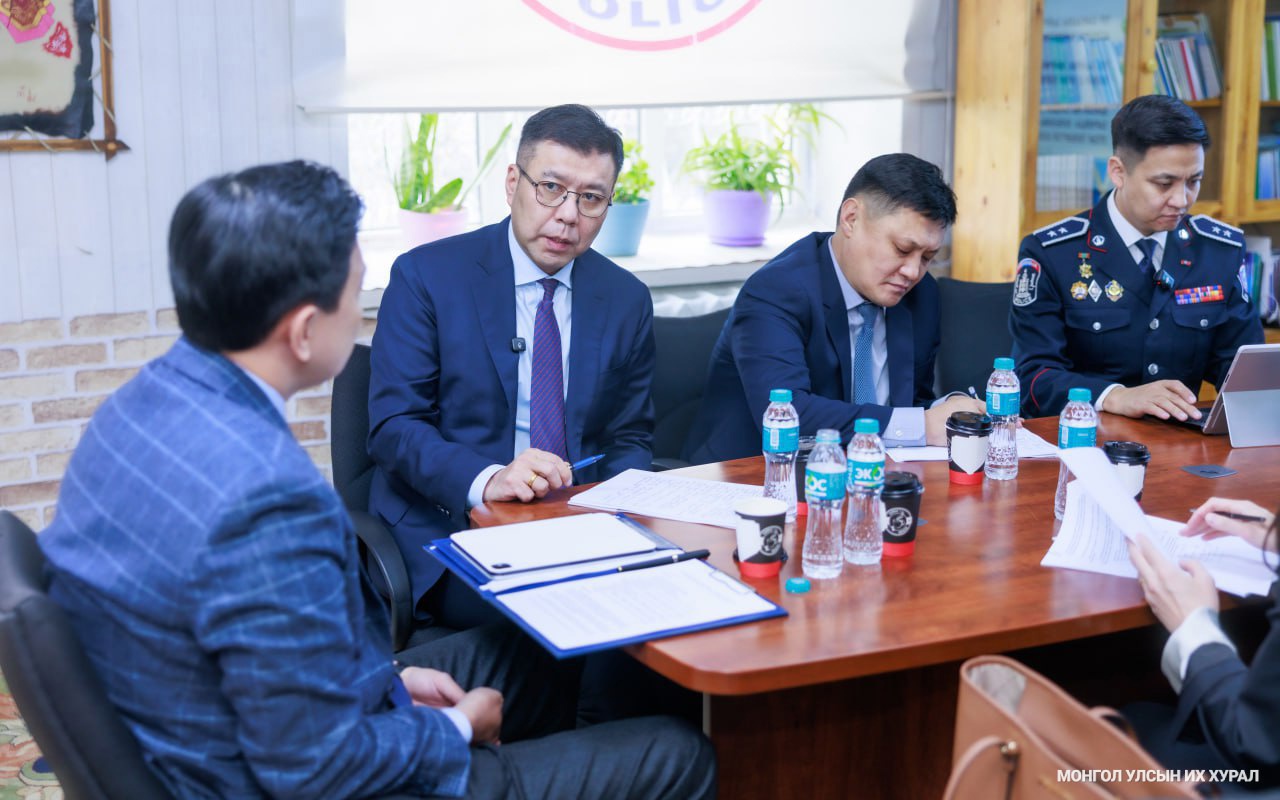
The Chairman emphasized that burdensome bureaucracy and poor interagency coordination must be eliminated, as they hinder private contractors and cause financial and time-related losses. He stated that the “Let’s Unburden” initiative is aimed precisely at resolving such issues. Just as citizens expect government institutions to function as one unified system, state agencies must also coordinate internally through unified channels.
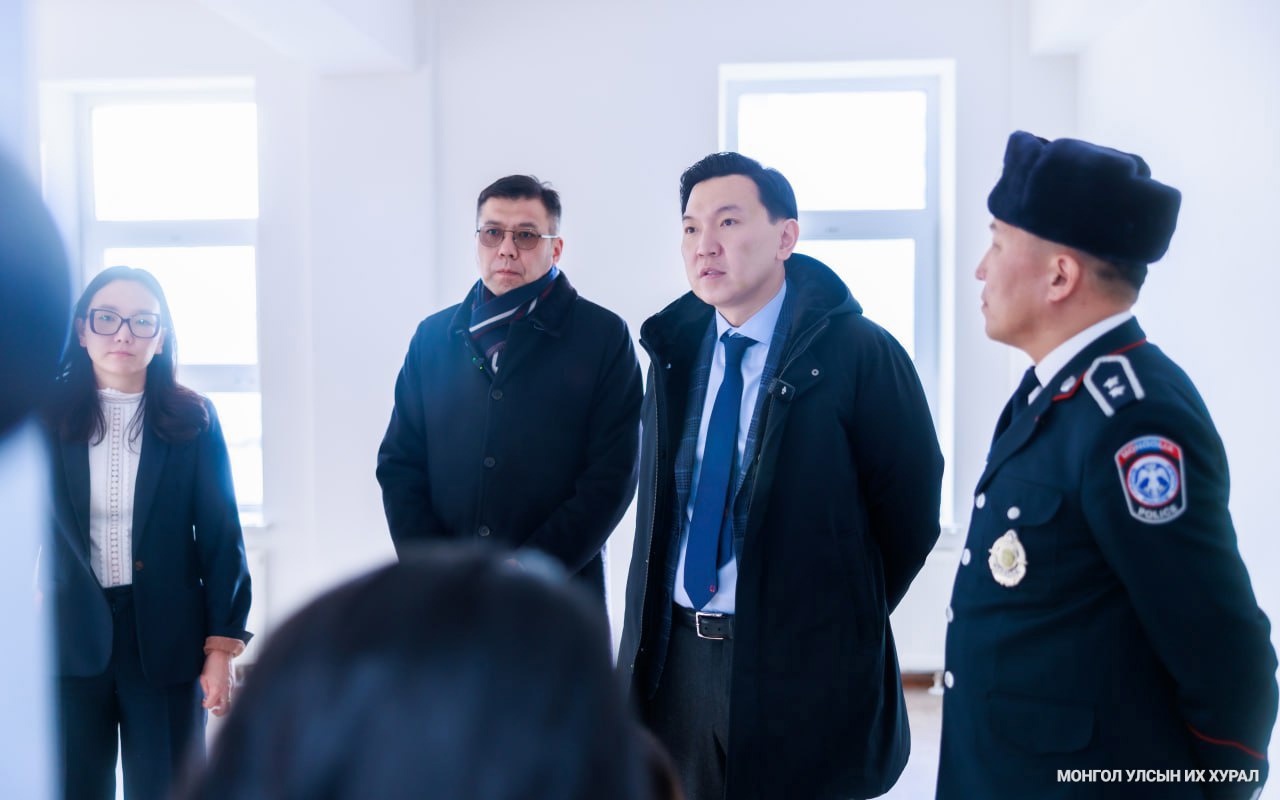
At the end of the visit, Chairman N.Uchral instructed the Ministry of Justice and the Ministry of Finance to urgently resolve the remaining financing issues and ensure that the shelter becomes operational by March 1. He also directed the sector minister to prepare the draft Law on Protection of Witnesses and Victims for submission during the upcoming spring session, according to the Press and Public Relations Department of the State Great Hural.